Iran Mass Weddings Signal Wartime Mobilisation in Tehran.
State television broadcasts ceremony in Tehran as authorities link marriage celebration to wartime mobilisation.
TEHRAN, IRAN – The iNews Times | Iran Mass Weddings dominated headlines in Tehran after authorities staged large public ceremonies for hundreds of couples who signed up to a state-backed “self-sacrifice” scheme, pledging readiness to lay down their lives in the ongoing conflict involving the United States and Israel.
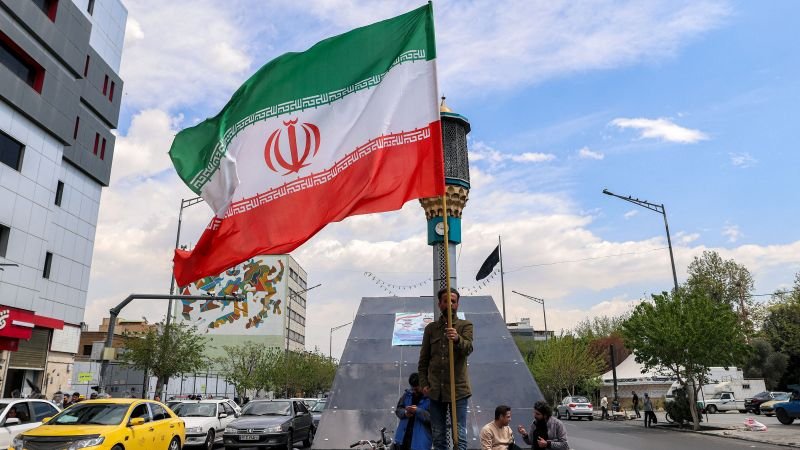
The ceremonies, held late Monday across major squares in the Iranian capital, formed part of a broader mobilisation drive amid a fragile ceasefire that halted fighting which began on February 28. State media confirmed that more than 100 couples were married in the sprawling Imam Hossein Square alone, with the events broadcast nationwide to reinforce wartime morale.
In this report, we examine the key developments, reactions from stakeholders, and the broader implications.
Background of the Story
The Iran Mass Weddings come against the backdrop of escalating geopolitical tensions between Tehran, Washington, and Tel Aviv.
Hostilities erupted on February 28 before a shaky ceasefire paused direct confrontation. Despite the truce, US President Donald Trump has repeatedly threatened fresh military action, keeping the region on edge.
Iranian authorities have since intensified public demonstrations of solidarity and mobilisation. The “self-sacrifice” initiative, known in Persian as “janfada,” encourages citizens to pledge readiness to defend strategic sites, including forming human chains around power stations and other critical infrastructure.
Officials claim that millions of Iranians, including senior government figures such as parliamentary speaker Mohammad Bagher Ghalibaf and President Masoud Pezeshkian, have enlisted in the scheme.
Key Developments
On Monday night, hundreds of couples arrived at Imam Hossein Square in military jeeps mounted with machine guns, underscoring the symbolic fusion of matrimony and militarisation.
They were married on a decorated stage adorned with balloons and a giant portrait of Supreme Leader Mojtaba Khamenei, who has not appeared publicly since assuming leadership following the killing of his father and predecessor, Ali Khamenei, on the first day of the war.
Images circulated by AFP https://www.afp.com showed large crowds holding roses and cheering as clerics presided over the ceremonies.
Iranian news agency Mehr reported that 110 couples participated in the Imam Hossein Square event alone, while similar ceremonies took place in other key squares across Tehran.
State television aired the celebrations extensively, portraying them as a message of resilience and continuity in the face of external threats.
Reactions from Stakeholders
Participants described the ceremonies as both personal milestones and patriotic gestures.
“Certainly, the country is at war, but young people also have the right to marry,” one bride, dressed in a white Islamic wedding gown, told Mehr news agency.
A groom standing beside his bride noted that the ceremony coincided with the anniversary of the marriage of Prophet Ali to Fatima, daughter of Prophet Mohammed, a revered event in Shia Islam.
“We received their blessings. Furthermore, we came to offer our best wishes to the people in the streets,” he said.
Authorities framed the Iran Mass Weddings as evidence of national unity, while critics abroad interpreted them as a powerful propaganda display aimed at reinforcing loyalty and sacrifice narratives.
Implications
The Iran Mass Weddings highlight the extent to which wartime messaging has penetrated social and cultural life in the country.
By merging matrimony with military symbolism, authorities appear to be projecting an image of defiance and collective resolve.
Analysts suggest that the public nature of the ceremonies, complete with military vehicles and high-profile imagery, signals an attempt to sustain domestic morale while sending a message to adversaries.
At the same time, the continued absence of Mojtaba Khamenei from public appearances may fuel speculation about internal political dynamics during a sensitive leadership transition.
The broader regional implications remain uncertain, especially as ceasefire terms remain fragile and diplomatic channels strained.
What Happens Next
Observers expect further pro-government rallies and symbolic events as long as tensions with the US and Israel persist.
Much will depend on whether the ceasefire holds or collapses under renewed threats of military escalation.
The international community is closely monitoring developments, particularly signs of mobilisation that could indicate preparations for renewed confrontation.
For ordinary Iranians, the blending of celebration and sacrifice underscores the unpredictability of daily life in wartime.
Conclusion
The Iran Mass Weddings have become a striking symbol of how personal milestones are being interwoven with national struggle amid heightened geopolitical tension.
As Tehran seeks to demonstrate unity and readiness for sacrifice, the ceremonies reflect both resilience and the heavy shadow cast by conflict.
Whether such displays strengthen national cohesion or deepen divisions at home and abroad remains a question that will shape the next phase of this unfolding crisis.
For comprehensive global security and geopolitical analysis, continue following The iNews Times.