IRGC Missile Attacks Target US Bases in Bahrain and Kuwait in Fresh Escalation.
Escalating Tensions Threaten Global Oil Supplies and Fragile Ceasefire in the Middle East.
LAGOS, NIGERIA – The iNews Times | Islamic Revolutionary Guard Corps (IRGC) have launched missile and drone attacks targeting U.S. military installations in Bahrain and Kuwait, marking a dangerous escalation in the ongoing conflict between Tehran and Washington.
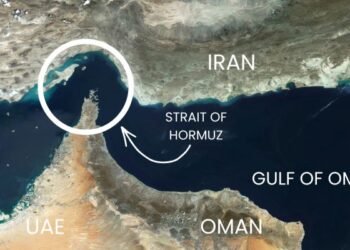
The Islamic Revolutionary Guard Corps (IRGC) described the strikes as retaliation for recent U.S. operations against Iran following attacks on commercial tankers in the Strait of Hormuz.
In this report, we examine the key developments, reactions from stakeholders, and the broader implications.
Background of the Story
The Strait of Hormuz remains one of the world’s most critical chokepoints, with roughly one-fifth of global oil supplies passing through its waters daily. Nigeria, as a major oil-producing nation, stands to feel the ripple effects of any disruption in this vital shipping lane.
Tensions have simmered for years between Iran and the United States, but the latest cycle of hostilities follows weeks of direct confrontations that briefly gave way to a fragile ceasefire.
Key Developments
On Wednesday, the IRGC announced it carried out a joint operation against U.S. military facilities, specifically naming Bahrain’s Fifth Naval District at Bandar Salman and Ali Al Salem Air Base in Kuwait. Air raid sirens blared in both countries as the attacks unfolded, prompting Kuwaiti air defence systems to confront the incoming threats and Bahrain to activate its own defensive measures.
The Guards also claimed to have shot down a U.S. MQ-9 drone during the operation, though this has not been independently verified. The strikes came hours after the United States launched fresh attacks on Iran and revoked a licence allowing Tehran to sell oil.
U.S. Central Command (CENTCOM) https://www.centcom.mil reported targeting more than 60 boats belonging to the Revolutionary Guards in its operation.
Reactions from Stakeholders
CENTCOM condemned the Iranian actions in strong terms, stating that “the unwarranted aggression by Iranian forces is a clear and dangerous violation of the ceasefire and undermines freedom of navigation.”
Iranian Foreign Minister Abbas Araqchi warned that negotiations on a permanent agreement “would not commence if threats continue,” highlighting Tehran’s firm stance amid the military exchanges.
The IRGC framed its response as legitimate retaliation for U.S. strikes triggered by attacks on commercial tankers in the Strait of Hormuz.
Implications
The renewed hostilities carry serious economic, political, and security implications far beyond the Gulf region. Global oil prices climbed more than two per cent on Tuesday, with Brent crude futures rising 2.52 per cent to $70.28 per barrel as traders factored in heightened geopolitical risks.
For Nigeria and other oil-dependent economies, further instability could translate into volatile earnings and higher domestic fuel costs. The escalation also undermines the fragile ceasefire, which was meant to create a 60-day window for indirect talks in Qatar aimed at a broader agreement.
What Happens Next
With talks in Qatar having ended without breakthrough last week, diplomatic efforts appear stalled as military actions intensify. Observers expect continued tit-for-tat responses unless major international mediation occurs.
The coming days will be critical in determining whether the conflict spirals further or if backchannel negotiations can restore calm to this strategically vital region.
As The iNews Times continues to monitor this fast-evolving situation, the latest IRGC missile attacks serve as a stark reminder of how quickly tensions in the Middle East can threaten global energy security and economic stability. Nigeria and the wider international community must watch closely as the fragile balance in the Gulf hangs in the balance.