Nigerian Army Odonget Community Burning Allegations: What Really Happened?
Villagers demand compensation as military denies torching over 50 homes during two-month operation.
CALABAR, NIGERIA – The iNews Times | Nigerian Army Odonget community burning allegations have sparked renewed controversy in Cross River State https://www.crossriverstate.gov.ng following claims that soldiers destroyed more than 50 houses during a prolonged security operation in Obubra Local Government Area.
The operation, which began on March 12, 2026, saw troops from the 13 Brigade in Calabar and the 245 Battalion in Edor Barracks, Ikom, deployed to Odonget community after suspected illegal miners allegedly raised distress calls accusing local youths of attacking them over a N1,000 toll dispute.
In this report, we examine the key developments, reactions from stakeholders, and the broader implications.
Background of the Story
The crisis in Odonget reportedly escalated when illegal miners operating within the area accused community youths of demanding a N1,000 levy and attacking those who refused to comply.
Acting on the complaints, soldiers moved into the community in what military authorities described as a security intervention.
However, residents allege that the deployment quickly turned into a two-month occupation marked by widespread destruction. According to villagers, more than 50 houses, market stalls, shrines, and community halls were razed.
Over 200 persons were reportedly displaced, while several others were allegedly beaten or shot during the military operation.
As calm gradually returns and displaced villagers emerge from hiding in bushes and neighbouring communities, calls for compensation and accountability have intensified.
Key Developments
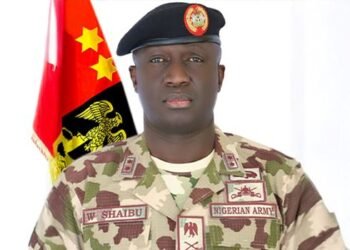
The Public Relations Officer of the 13 Brigade, Major Yemi Sokoya, has categorically denied that troops were responsible for burning homes in Odonget.
According to him, the soldiers were ambushed by local youths upon arrival, resulting in the death of one soldier.
“When we responded to the distress calls, we moved into the Odonget community. We were ambushed by local youths of the community, at which time they killed one of our soldiers,” Sokoya stated.
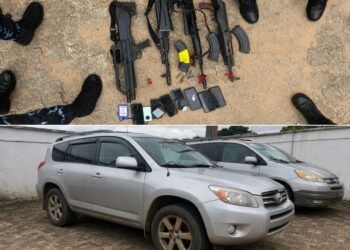
He further explained that during a cordon-and-search operation, troops uncovered several arms and ammunition allegedly hidden within the community.
“It’s not true that we burnt any houses in Odonget during our brief occupation. That’s a big lie. We could not have done that; we exist to secure the lives of Nigerians and their properties,” he said.
Sokoya challenged the villagers to produce evidence, including pictures or videos, to substantiate claims that soldiers set houses ablaze.
He also suggested that rival youths from neighbouring Alesi community may have exploited the volatile security situation to commit acts of arson.
The military’s earlier briefing had acknowledged that four civilians were killed during engagements, while one soldier lost his life.
Reactions from Stakeholders
Community members, however, insist that the scale of destruction speaks for itself.
A resident who identified himself as Ogar described the aftermath as devastating. “We ran into the bush when the shooting started. When we came back, our homes were gone. We have nothing left,” he said.
Local civil society observers have called for an independent investigation to establish the truth.
A security analyst based in Calabar, Dr. Emmanuel Bassey, told The iNews Times that such disputes often require transparent inquiries to prevent escalation.
“When there are conflicting narratives between civilians and security forces, the credibility of the process matters. An independent fact-finding panel can help restore trust,” he said.
Implications
The Nigerian Army Odonget community burning allegations come at a time when tensions between host communities and security agencies remain sensitive in several parts of the country.
Beyond the immediate humanitarian concerns, the dispute raises broader questions about military engagement in civil disputes, community policing structures, and oversight mechanisms.
The issue of illegal mining, local toll disputes, and long-standing inter-community rivalries further complicates the narrative.
Observers note that if not carefully managed, the situation could inflame dormant tensions between Odonget and neighbouring Alesi, potentially widening the conflict.
What Happens Next
Residents are demanding compensation for alleged losses and calling on state authorities to intervene.
Legal experts suggest that affected villagers may pursue redress through civil litigation if negotiations fail.
Meanwhile, pressure is mounting on Cross River State authorities to commission an independent assessment of damages and casualties.
Security analysts warn that restoring confidence will require transparency, reconciliation efforts, and sustained dialogue among all parties.
Conclusion
As the dust settles in Odonget, the clash between military denial and community allegations leaves critical questions unanswered. Whether the claims of widespread destruction can be substantiated remains to be seen, but what is clear is that displaced families are seeking justice and clarity.
For Cross River State, and indeed the nation, the outcome of these Nigerian Army Odonget community burning allegations may set an important precedent for how future civil-military disputes are addressed.